How Frequently Should Pest Management Be Performed in Toronto?
224 King St W #2401, Toronto, ON M5J 0A6, Canada
+16472437241
https://maps.app.goo.gl/VbxNrosScd6ZL8U39
https://mosquitoman.ca/pest-control/toronto/
JJX7+23 Toronto, Ontario, Canada
What influences pest control frequency in Toronto?
The right plan for pest control Toronto depends on far more than whether you have spotted a pest. A good inspection schedule is determined by the Toronto climate, the degree of seasonal pest pressure, your building type, and your overall property risk. In a city with cold winters, humid summers, and plenty of older housing stock, pest activity often moves indoors when outdoor conditions become unfavourable.
Toronto also has strong urban pest pressure. Dense housing in downtown Toronto, the GTA, and older neighbourhoods creates more opportunities for pests to move through walls, utility lines, storage areas, and shared access points. In those areas, monitoring and preventive pest management matter as much as full extermination. A licensed technician will often advise a service plan based on the likely infestation risks, not just visible activity.
Another key factor is building type. Detached homes, semi-detached houses, condos, townhouses, and commercial buildings all need varied approaches. Multi-unit buildings usually need more frequent visits because of entry points, shared walls, and the way pests can travel between units. In many cases, the best strategy combines exclusion, sanitation, baiting, and occasional residual spray or other preventive treatment.
How frequently should homes arrange pest control?
For most homes, the right answer is generally quarterly pest control or at least a reliable seasonal pest control plan. This means a visit every three months, with extra visits if there is ongoing pest activity. A quarterly approach helps with changing seasonal pest activity, from spring ants to mice in the fall and summer insects. It also gives the technician time to modify baiting, close entryways, and review cleanliness conditions before small issues turn into a more serious infestation.
Single-family homes in Toronto often fare well with seasonal visits if the home is adequately sealed and pest activity is limited. However, older-style homes, properties near alleys, and houses close to food establishments or waste storage areas may need a more frequent treatment interval. If mice are getting in through the foundation, if cockroaches are appearing in kitchens or basements, or if you have recurring ants in spring, a recurring service is often more cost-effective than waiting for a full infestation.
Condos and townhomes usually need more regular attention than detached homes. Joined walls, shared drainage, and common hallways can create hidden pathways for cockroaches, mice, and bed bugs. In these settings, one unit’s problem can become the building’s problem very quickly. That is why many property managers and owners in downtown Toronto, North York, Scarborough, and Etobicoke choose scheduled inspections rather than one-off calls.
For many homes, a practical approach is:
- Quarterly pest control for higher-risk homes, older properties, and multi-unit settings
- Seasonal inspections in spring and fall for less vulnerable detached homes
- Prompt service if you notice pest droppings, live pests, nesting, or damage
If you're reviewing pest control near me services, find out whether the provider provides return visits, preventive sealing, and monitoring in the same service plan. That matters more than a one-time spray.
How often do businesses need pest control?
Businesses generally need pest control more frequently than homes, especially in cases where food, waste, customers, or inventory are involved. Restaurants are among the highest-risk properties because food prep, grease, deliveries, and night-time closures all create opportunities for pests. Many restaurants in Toronto schedule monthly or even more frequent and consistent preventive maintenance visits, depending on the site and history of activity.
Retail stores need a tailored inspection schedule based on the product type, storage conditions, and building age. Clothing stores, grocery stores, convenience stores, and basement retail units may all have different pressure points. A pest control plan for retail should incorporate monitoring, baiting where appropriate, sanitation review, and regular checks for harborage behind stock rooms and fixtures.
Property management teams often need the most structured approach of all. In condo buildings, apartment towers, and rental properties, recurring service is critical because shared infrastructure raises the risk of rodents, cockroaches, and bed bugs. Preventive pest management can reduce complaints, limit tenant turnover, and support compliance with health and housing expectations. In these cases, the goal is not just extermination after a complaint; it is an ongoing service plan that uses exclusion, monitoring, and follow-up visits.
For businesses, the frequency often depends on the pest and the site:
- Restaurants: monthly or more frequent for high-risk locations
- Retail stores: monthly to quarterly, depending on activity
- Property management: scheduled service throughout the year with faster response times for tenant reports
If you are budgeting for commercial pest control, the cost is often easier to manage as preventive maintenance than as emergency extermination after repeated infestations.
What bugs are most frequent in Toronto?
The pests that determine service frequency in Toronto are typically cockroaches, mice, bed bugs, and ants, with spiders also showing up in basements, garages, and storage spaces. Each pest has a distinct treatment interval and unique triggers for repeat service.
Cockroaches typically call for a structured plan with baiting, sanitation changes, and follow-up service. In multi-unit buildings, they can move through walls and plumbing chases, so one treatment is rarely enough. A technician may use residual spray in key areas, together with ongoing monitoring.
Mice are especially common when colder weather sets in. Toronto winters push rodents indoors, and older homes, laneway suites, and commercial buildings often have enough small gaps for access. Rodent control usually involves exclusion, baiting, trapping, and sealing entry points. If the source of entry is not fixed, the infestation can return.
Bed bugs need a very different approach. Because they spread through furniture, luggage, and shared walls, treatment often requires multiple visits. In many cases, heat remediation is used. If you are researching bed bug heat treatment toronto, it helps to understand that the cost of bed bug treatment depends on room count, severity, and whether the provider includes a follow-up service. Heat treatment for bed bugs cost can be higher than other methods, but it is often chosen because it can address hidden bugs in furniture and wall voids.
Ants are usually seasonal, especially in spring and early summer. Many ant issues can be controlled with targeted baiting, better sanitation, and sealing access routes. Spiders often indicate insect activity around the property, so they can be part of a broader monitoring plan rather than the primary target.
When is single-visit treatment adequate?
A single visit can be adequate when the infestation severity is minor, the species is simple, and the property has few entry points. For example, a small ant issue at a detached home may only need one treatment plus simple prevention steps. In those cases, a technician may recommend a specific preventive treatment and a follow-up check if activity returns.
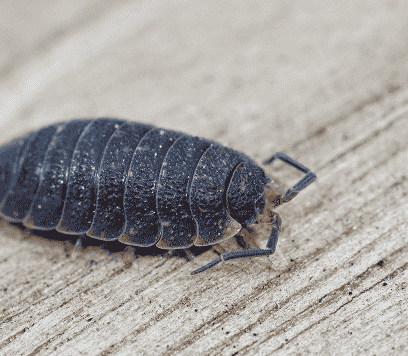
One-time treatment is less inclined to work when the problem involves cockroaches, mice, or bed bugs. These pests often need a blend of baiting, exclusion, sanitation, and a follow-up visit. If a home has untreated gaps, food access, clutter, or moisture problems, the pest pressure will usually remain.
As a rule, one-time service is better suited when:
- The infestation is very small and caught early
- The affected area is restricted
- Access and sealing work can be completed immediately
- The pest does not travel quickly through the building
In Toronto, many properties benefit from at least a additional visit after initial treatment. That is especially true in older homes, downtown apartment buildings, and high-traffic commercial spaces where pest movement is harder to control.
How much can pest management cost in Toronto?
The pest control toronto cost varies with pest type, property size, the property, severity, and whether the work comes with follow-up monitoring or exclusion. The pest control cost Ontario homeowners see can vary widely, but Toronto is often priced at a premium compared with smaller or less dense markets because of building complexity and higher urban pest pressure.
For mice, many homeowners ask how much is pest control for mice. The answer comes down to whether the job includes trapping, sealing entry points, sanitation recommendations, and repeat monitoring. A simple callout will cost less than a full rodent control program that includes exclusion and a return inspection.
For roaches, people often search for cockroach exterminator toronto cost. That cost hinges on the level of infestation, whether the building is a single home or a multi-unit property, and how many follow-up visits are needed. Cockroach jobs often require more than one service because of hidden harbourage and the need for targeted baiting.
Bed bug pricing is even more variable. The cost of bed bug treatment can be affected by room size, clutter, furniture, and whether heat remediation is used. If a provider recommends bed bug heat treatment toronto, the total may be higher than a spray-only service, but it may also be more effective in severe infestations or complex layouts. The heat treatment for bed bugs cost typically reflects equipment, labour, preparation, and the need for careful follow-up.
When comparing quotes, also ask about:
- Assessment fee versus treatment fee
- Whether follow-up service is provided
- Warranties or re-treatment terms
- Whether exclusion or sanitation support is part of the package
If you are comparing pest control near me prices, make sure you are comparing the equivalent service scope. The cheapest option is not always the best if it leaves the root cause untreated.
Is DIY pest control sometimes a good idea?
DIY can assist with small issues, but it has obvious limits. Store-bought sprays, traps, and powders may decrease visible activity, yet they rarely solve a true infestation on their own. In particular, DIY fumigation for mice is pest control not a good idea. Rodent control depends on safe baiting, trapping, exclusion, and understanding where mice are travelling. Improper DIY methods can make the issue worse or create safety risks for people and pets.
Store-bought sprays are also restricted for cockroaches and ants because they often only affect exposed insects. Hidden nests, wall voids, and rodent control Toronto harbourage areas can remain active. For bed bugs, DIY methods may miss eggs, wall edges, and furniture seams, which allows the problem to return. That is why many people start with DIY and then call a licensed technician once the problem persists.
The main limitations of DIY are:
- It may not reach hidden infestation zones
- It can miss the underlying entry points
- It may not deal with sanitation or clutter issues
- It can involve safety risks if chemicals are misused
In most Toronto homes, DIY is best used as a temporary support tool, not a complete replacement for professional pest management.
How Toronto stacks up to other and urban centres in Canada
Toronto usually needs more frequent pest control than many smaller local markets because of high density, aging homes, and the number of multi-unit buildings. If you look at pest control mississauga and Toronto, many Mississauga homes still need routine service, but the pressure can be a bit lower depending on the neighbourhood and building type. The same is often true when comparing downtown Toronto with suburban areas.
When reviewing pest control brampton prices, homeowners may find that rates are sometimes comparable to Toronto for certain services, especially where rodent or cockroach issues are associated with dense housing. pest control hamilton prices can also vary by property age and pest type, with older buildings often needing ongoing care. In pest control kitchener markets, the need for service can still be considerable, but the scheduling pattern may be less demanding than in Toronto’s core.
For broader context, you may also see comparisons with pest control london ontario, pest control fredericton nb, adams pest control fredericton, adams pest control moncton, and even pest control edmonton prices. These markets vary in climate, housing stock, and pest pressure, so pricing and service frequency should never be assumed to match Toronto exactly. Toronto’s combination of Toronto climate, dense housing, and urban pest pressure tends to push many properties toward more regular monitoring and faster response times.
When to book a pest control inspection
The best time to book an inspection is when you notice the first signs, not after the problem spreads. Early warning signs include droppings, gnaw marks, scratching in walls, live insects, shed skins, unusual odours, or bites that appear overnight. A quick inspection can determine the source and help determine whether a one-time treatment or recurring service is needed.
A seasonal inspection is also a smart choice for Toronto properties. During spring is a good time to check for ants and other insects that become active as temperatures rise. Fall is often the best time to look for mice trying to move indoors. During summer can bring a surge in cockroaches, flies, and bed bug activity, especially in multi-unit buildings and high-turnover rentals.
For the most dependable results, use preventive scheduling. That means booking service before there is a full infestation, especially if your property has known risk factors such as an older foundation, shared walls, previous pest issues, or food handling on site. Preventive pest management is usually less disruptive and more affordable than responding after pests have spread.
If you are deciding between waiting and booking now, consider this: in Toronto, recurring service is often the better value when the property has repeated activity, while a single inspection may be enough for a small, isolated issue that is caught early.
FAQ: pest control frequency in Toronto
How often should pest control be done in Toronto homes?
For many Toronto homes, pest control should be done seasonally or every three months if there is higher risk. Quarterly service is a strong option for older homes, houses with previous infestation history, or properties near high-activity areas. Lower-risk homes may only need seasonal visits, but any active problem should be checked promptly by a licensed technician.
Is quarterly pest control worth it in Toronto?
Yes, quarterly service is often worth it in Toronto because of seasonal prevention needs, urban pest pressure, and the way pests move indoors during cold winters or humid summers. Quarterly visits support tracking, exclusion, and preventive treatment before an infestation becomes harder to manage.
How much does pest control cost in Toronto for mice or cockroaches?
The price depends on the size of the property, the severity of the problem, and whether follow-up service is included. People searching how much is pest control for mice usually need a plan that includes trapping, sealing entry points, and inspection. The cockroach exterminator toronto cost can be higher if the infestation is widespread or if the building has shared walls and multiple units. The best way to compare is to ask for the full service scope, not just a single visit price.
How often do condos and apartments need pest control service?
Condos and apartments typically require recurring service because shared walls, hallways, and plumbing make it easier for pests to move. Many buildings use scheduled preventive pest management with regular inspections and fast follow-up for tenant reports. In multi-unit properties, recurring service is usually more reliable than waiting for a complaint to become a major infestation.
Can I handle pests myself, or should I call a professional in Toronto?
DIY can help with very minor issues, but professional service is usually the best choice for mice, cockroaches, and bed bugs. DIY fumigation for mice is not recommended, and store-bought sprays often fail to reach concealed harbourage or solve the root cause. If you want the problem addressed safely and thoroughly, especially in a dense Toronto building, calling a professional is usually the safer option. If you are searching for best pest control near me or pest control near me, look for a provider that provides inspection, treatment, and follow-up support rather than just a quick spray.