Why Infestations Are More active in spring and summer in Scarborough
Why do pests become more active when temperatures increase?
Seasonal pest activity is closely tied to temperature changes, and that is especially noticeable across Scarborough homes once the weather turns mild. During colder months, many pests enter winter dormancy or reduce movement to conserve energy and improve survival. As temperatures rise in spring, their insect metabolism speeds up, which supports feeding, reproduction, and overall increased activity.
This shift is part of the pest life cycle. Warm weather creates favourable conditions for survival, so species that stayed hidden through winter begin foraging more aggressively and looking for nesting sites. As breeding cycles restart, population growth can happen quickly, turning a small presence into a larger infestation if preventive measures are not taken early.
In Scarborough, the spring thaw often reveals moist environments around foundations, yards, and garden beds. That moisture can support pest pressure by making it easier for insects and rodents to find water, shelter, and access to food sources. Once summer heat arrives, many https://maps.app.goo.gl/8SuLx1MkkqVJFc2m9 pests remain active for longer periods each day, which can increase home entry and outdoor nuisance activity.
Understanding this pattern is the first step in effective pest control Scarborough homeowners can rely on. When warm weather arrives, pests are not simply “showing up”; they are responding to seasonal pressure, better survival odds, and more opportunities to reproduce.
Which pests are most frequent in Scarborough during spring and summer?
Various pests become especially noticeable across Scarborough during warmer months. The most common are ants, mosquitoes, wasps, and rodents, but cockroaches and spiders can also become more visible indoors and around the property.
Ants are among the first pests many homeowners notice after the spring thaw. They start foraging for food sources as soon as the ground warms, and even small crumbs or pet food can act as attractants. In kitchens, basements, and along foundations, ants often follow established trails into Scarborough homes.
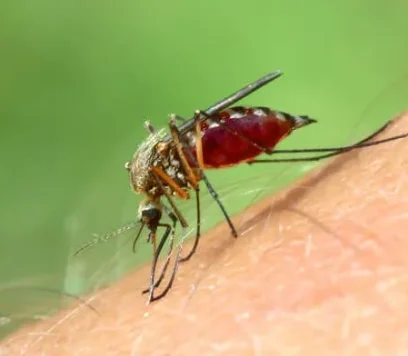
Mosquitoes thrive in humidity and standing water. In areas near Lake Ontario, added moisture can support their activity, especially after rainfall. Gardens, shaded yards, clogged eavestroughs, birdbaths, and low spots in lawns can all become breeding areas.
Wasps become a more serious concern through late spring and summer as nesting behaviour intensifies. They often build nests in eaves, sheds, fences, and other harbourage areas around urban neighbourhoods. As colonies grow, wasps become more defensive and are more likely to bother people outdoors.
Rodents remain a concern year-round, but in spring and summer they become more active in searching for food, nesting materials, and access to cool sheltered areas. Older homes, townhomes, and properties with gaps in the exterior often make easy targets.
Cockroaches may not always be the first pest people think of in summer, but they take advantage of warmth, moisture, and food residues. Spiders also become more visible because they follow insect prey into garages, basements, and entryways.
These pests are widespread because Scarborough’s local climate, neighbourhood density, and varied housing stock create a wide range of opportunities for pest survival and reproduction.
How Scarborough weather and local area conditions affect pest pressure
Scarborough's closeness to Lake Ontario plays a real role in seasonal pest pressure. The lake can raise moisture levels in the local climate, which supports pest activity by producing more favourable conditions for insects and other wildlife. High humidity helps many pests stay active longer and can also make outdoor spaces feel more inviting to them.
Rainfall is an additional key factor. In the Greater Toronto Area, spring thaw and early-summer rain patterns can increase moisture around foundations, patios, fences, and garden edges. That extra water helps mosquitoes breed and can also draw ants and rodents toward structural gaps where they can find shelter. When the ground stays damp, pests have easier access to water and harborage.
Urban landscaping also influences pest behaviour. Dense shrubs, stacked firewood, overgrown hedges, and untrimmed tree branches can create protected routes and nesting sites. In parks, ravines, gardens, and other green spaces, pest populations often establish themselves before moving into nearby residential blocks. Scarborough’s mix of natural areas and built-up streets gives pests many places to forage and hide.
Older homes are especially vulnerable because they may have more gaps, aging materials, and hidden access points. In parts of Scarborough with older detached homes, weathered siding, foundation cracks, loose vents, and unsealed utility openings can all create entry points. Townhomes can also experience pest pressure when shared walls or common landscaping provide easy movement between units.
Such local factors make integrated pest management particularly effective. A targeted approach that combines monitoring, exclusion, sanitation, and habitat reduction is often more effective than waiting for pests to become a visible problem.
Why pests enter homes more often in warmer months
Summer months encourage pest activity for a simple reason: homes offer what outdoor spaces sometimes cannot. Inside, pests can find consistent temperatures, access to food, water, and sheltered nesting sites. When outside conditions become hot, wet, or crowded, home entry becomes more attractive.
A major reason is the presence of food sources. Warm-weather meals, pet feeding areas, open garbage bins, and crumbs in busy kitchens all act as attractants. Ants and cockroaches especially react fast to leftover food and spills. Rodents also follow food odours from pantries, pet dishes, and compost areas.
Entry points are another major issue. Small cracks, gaps under doors, torn screens, and unsealed vents can allow pests to move indoors. As seasonal pressure rises, pests are more likely to test these openings. Home entry often happens quietly, and by the time homeowners notice movement, nesting may already be underway.
Warm weather also encourages pests to seek nesting sites. Attics, wall voids, basements, crawl spaces, garages, and sheds offer shelter from predators and weather. In Scarborough homes, especially those with older construction or long-neglected maintenance, these spaces can become ideal harbourage areas.
Moisture is a final driver. Leaky hoses, damp basements, condensation, and poorly drained yards all create favourable conditions for pest survival. Moist environments support insects directly and can also attract rodents looking for water and cooler resting places. Moisture control is therefore one of the most important parts of long-term prevention.

When pests find the right combination of food, shelter, and moisture, they are far more likely to stay. That is why spring and summer often bring a noticeable rise in pest pressure inside Scarborough homes.

What signs show you have a seasonal pest problem?
Seasonal infestations often start with subtle clues. Finding these early can help homeowners act before a small issue turns into a larger infestation.
Droppings are one of the most common warning signs. Rodent droppings in cupboards, along baseboards, in garages, or near food storage areas usually indicate active movement. Cockroach droppings may appear as small dark specks in kitchens, behind appliances, or in damp areas.
Chewed materials are another clear indicator. Rodents may bite on food packaging, wires, insulation, wood, and stored items. Chewed materials around attics, basements, and utility rooms often suggest nesting or repeated travel routes.
Sightings matter too. Seeing ants along walls, mosquitoes hovering near doors, wasps around eaves, or spiders in corners can indicate pest activity nearby. A single sighting does not always mean a large infestation, but repeated appearances usually suggest a bigger issue.
Nesting signs can include shredded paper, insulation disturbance, mud tubes, webbing, or hidden piles of debris. Rodents and some insects build nests in quiet, undisturbed areas where they can reproduce safely. If you notice unusual material buildup in a garage, attic, shed, or behind stored items, it may be time to investigate further.
Other signs include scratching noises, strange odours, and increased activity around garbage bins or garden edges. If these problems appear during warm weather, it is a strong clue that seasonal pest activity is affecting your property.
How can Scarborough homeowners prevent spring and summer infestations?
Effective pest prevention starts outside the home. A combined approach is best, and integrated pest management focuses on reducing the conditions that attract pests before chemical treatment is even considered.
Sealing cracks is one of the most practical steps. Inspect foundations, doors, windows, vents, and utility lines for gaps. Even small openings can become entry points for ants, spiders, mice, and other pests. Weatherstripping, caulking, door sweeps, and mesh repairs all help limit home entry.
Sanitation should be a daily routine. Clean food preparation areas quickly, store pantry items in sealed containers, and avoid leaving pet food out overnight. Wipe up spills, empty indoor bins regularly, and clean under appliances when possible. Removing attractants makes the home less appealing to pests.
Landscaping maintenance is especially important in Scarborough because many properties have mature trees, dense hedges, and garden beds close to the house. Trim branches away from the roofline, keep shrubs from touching exterior walls, and remove leaf litter, wood piles, and clutter that could provide shelter. Healthy landscaping does not mean overgrown landscaping; it means creating less harbourage close to the structure.
Trash management also matters. Keep garbage bins tightly sealed, rinse recyclable containers when needed, and store garbage away from doors and windows where possible. Outdoor garbage bins are a common attractant for rodents, flies, wasps, and other pests, especially when food waste is exposed in warm weather.
Indoor moisture control is also important. Fix leaks, run dehumidifiers in damp basements, and improve ventilation in bathrooms and laundry areas. By reducing moist environments, you make the home less suitable for pests that depend on humidity and hidden water sources.
These preventive measures work best when done consistently through the spring thaw and into summer heat. The earlier you act, the easier it is to avoid a larger infestation later in the season.
When should you call pest control in Scarborough?
Sometimes DIY prevention is not enough, and that is when pest control Scarborough professionals become the appropriate next step. If you notice recurring sightings, more droppings, active nesting, or damage to food and materials, it may indicate infestation severity beyond a simple maintenance issue.
A professional inspection is useful when you cannot identify where pests are coming from or when the signs suggest hidden activity. Exterior inspections are especially valuable in spring and early summer because they can reveal entry points, nests, moisture issues, and vulnerable areas around the structure before the problem spreads.
Calling sooner also helps with re-entry prevention. A proper treatment plan should not just remove the visible pests; it should also address how they are getting in and what is drawing them back. That often includes sealing gaps, correcting sanitation problems, and making landscaping or storage changes to reduce harbourage.
Seasonal treatment can be useful when pest pressure predictably rises every year. For example, homes near gardens, ravines, or busy outdoor spaces may benefit from targeted treatment schedules in spring and early summer. In areas of Scarborough where older detached homes or dense townhome clusters create more access points, proactive service may be more effective than waiting for the next wave of activity.
If pests are affecting comfort, safety, or property condition, it is usually best to act early. Timely intervention can limit spread, reduce reproduction, and restore control before the problem grows.
Frequently asked questions: seasonal pest activity in Scarborough
For what reason do pests appear suddenly in spring and summer?
Pests often seem to appear in a short time because warm weather revives their life cycle after winter dormancy. As temperatures increase, insect metabolism increases, breeding cycles begin again, and pests begin moving around more openly. Spring thaw and early-summer humidity can also make outdoor conditions more favourable, which increases seasonal pest activity around Scarborough homes.
What pests are the biggest problem in Scarborough during warmer months?
The most common pests in Scarborough during spring and summer are pavement ants, biting mosquitoes, wasps, and rodents. Cockroaches and spiders can also become more noticeable indoors. The exact pest pressure depends on the property, nearby landscaping, and local climate conditions close to Lake Ontario.
Does rain make pest problems worse in Scarborough?
Yes, rainfall can make pest problems worse because it creates more moisture around foundations, gardens, and low-lying areas. Standing water can support mosquito breeding, while damp conditions may push ants and rodents toward homes in search of shelter. After spring thaw and early-summer rain, moisture control becomes especially important.
How can I keep pests out of my home during summer?
Focus on sealing cracks, improving sanitation, managing garbage bins properly, and keeping landscaping trimmed back from the house. Reduce food sources, fix leaks, and check for entry points around doors, windows, and utility openings. These preventive measures are the foundation of integrated pest management and help reduce home entry during peak pest season.
Mosquito Man Scarborough1225 Kennedy Rd, Scarborough, ON M1P 4Y1, Canada
+1 647-243-7241
https://maps.app.goo.gl/8SuLx1MkkqVJFc2m9 https://mosquitoman.ca/pest-control/scarborough/
43.7561897, -79.2751574
When is the best time to book pest control in Scarborough?
The best time is early spring, before pest populations build up, but any time you notice signs of infestation is a good time to call. A professional inspection in spring or early summer can catch problems before they spread. For homes with repeated seasonal pressure, booking seasonal treatment ahead of peak activity is often the most effective option.